Where to Enjoy Fresh Empanadas at a Cuban Bakery in Aurora CO
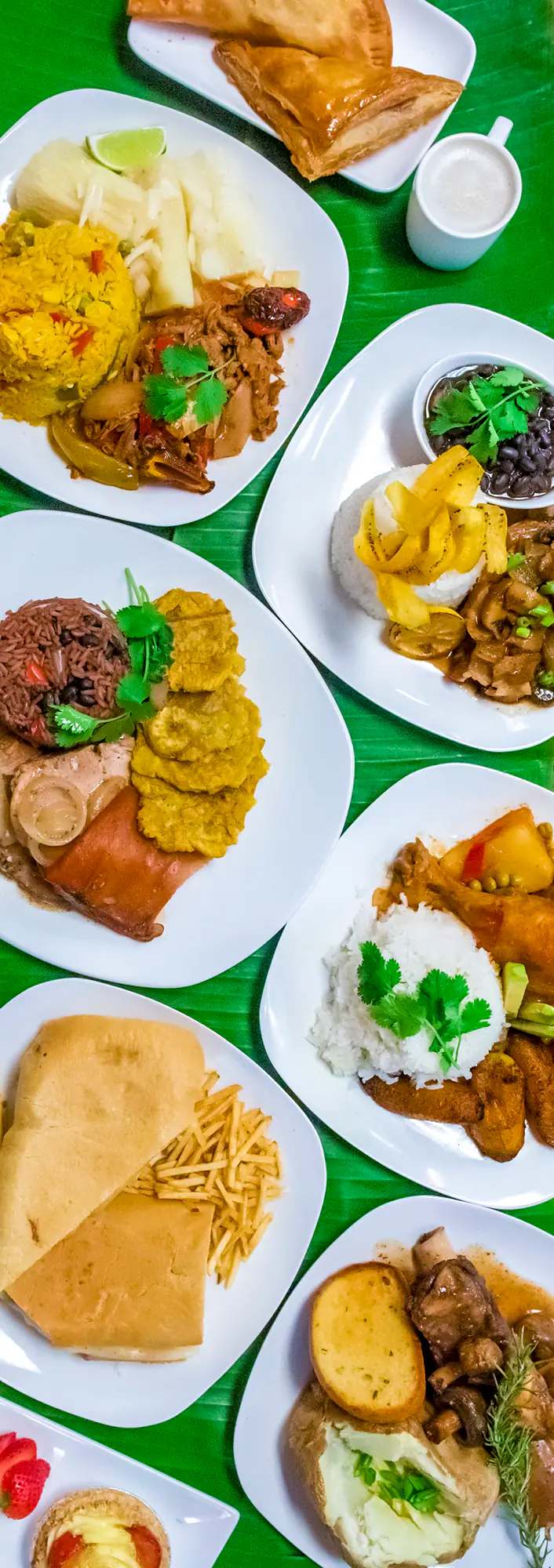
Aurora has the kind of food scene that rewards curiosity. Strip malls hide family-run counters, neighborhood bakeries sell out before lunch, and some of the best bites come wrapped in paper rather than plated for show. If you are looking for fresh empanadas at a Cuban bakery in Aurora CO, you are really looking for more than a quick snack. You are looking for timing, texture, aroma, and the unmistakable difference between something baked or fried to order and something that has been sitting too long under a warming lamp.
That difference matters. Empanadas are simple on paper, dough around a filling, but they are surprisingly unforgiving in practice. A good one should feel light in the hand and substantial at the same time. The crust needs structure without becoming dry. The filling should be seasoned enough to stand on its own, yet balanced enough that every bite still tastes like pastry and not just spooned leftovers tucked inside. At a strong Cuban bakery, empanadas often share counter space with pastelitos, croquetas, Cuban bread, and sweet guava pastries, which means you are stepping into a place where baking rhythm and turnover tell you a lot about quality.
In Aurora, that bakery experience tends to be practical rather than theatrical. You might walk into a small shop with a glass display case, a menu board with breakfast items and coffee, and the smell of butter, warm dough, and espresso hanging in the air. You may hear regulars ordering in quick shorthand because they already know what they want. That is usually a promising sign. Great bakeries build habits, and habits keep trays moving.
What makes a fresh empanada worth the trip
People often talk about fillings first, beef, chicken, ham and cheese, sometimes spinach or guava and cheese on the sweeter side, but freshness starts with the shell. The best Cuban-style empanadas have dough that stays flaky without collapsing into shards. Bite into one fresh from the case, or better yet one reheated briefly for you, and the outside should give a slight crackle before yielding to a soft interior layer. If the crust feels leathery, the batch has likely been sitting too long. If it is greasy enough to stain the wrapper immediately, the oil temperature may have been off, or the turnover may have been rushed.
Temperature also reveals a lot. A fresh empanada should be hot enough that the filling releases steam when opened, but not so scalding that it tastes one-note. Seasoned bakery staff know this and often time the front case around peak traffic. Mid-morning and lunch tend to be especially reliable windows, because the product is moving quickly. Early afternoon can still be excellent, particularly at busier bakeries that refresh trays. Late day is more variable. Sometimes you get lucky and catch a new batch. Sometimes you are choosing from what remains.
There is also the issue of balance. Cuban bakery empanadas usually lean savory and straightforward rather than overloaded. Ground beef may carry notes of sofrito, mild sweetness from cooked onions, and a little tomato richness. Chicken might be pulled rather than chopped, with enough moisture to stay tender. Cheese fillings should taste clean and warm, not rubbery. Even before the first bite, you can often tell when the bakery pays attention. Edges are sealed neatly, color is even, and the aroma smells baked, not tired.
The best place to enjoy them is often right there
A lot of people buy empanadas to go, and there is nothing wrong with that. They travel better than many pastries, especially if you are taking a box home for family or coworkers. Still, the ideal place to enjoy fresh empanadas at a Cuban bakery in Aurora CO is often a small table near the counter, coffee in hand, while the pastry is still at its peak. The crust stays crisp, the filling stays lively, and you get the full sensory experience instead of a softened version fifteen minutes later in the car.
This is one of those foods that changes quickly. Steam trapped in a bag can soften the shell. Cold weather can firm the fat in the dough faster than you expect. A ten-minute wait is not catastrophic, but it does start to shift the texture. If the bakery has even a modest seating area, it is worth using. Order one savory empanada first, then decide if you want another or if you would rather pivot to a pastelito or slice of cake. That approach also helps if you are visiting a bakery for the first time and want to read the room before committing to a larger box.
There is another advantage to eating on site. You can ask questions without pressure. Which fillings are freshest today? Did that guava pastry just come out? Is the beef empanada baked or fried? Good bakeries hear those questions all the time, and the answers often steer you toward the strongest choice of the moment. Menus tell you what is available. Staff tells you what is shining.
Timing your visit in Aurora
Aurora is spread out, and bakery runs tend to fit into the day differently depending on where you are coming from. If you are already out for breakfast, the sweet spot is usually morning into early lunch. That is when coffee service is brisk, pastry cases look full, and the rhythm of production is most visible. If empanadas are part of your lunch plan, arriving before the noon rush can help you avoid a picked-over case.
Weekend visits are their own thing. Families often come in together, regulars buy by the dozen, and popular items disappear fast. The upside is that high demand keeps product cycling. The downside is that you may need patience, especially if a bakery is known locally and the word has spread beyond the immediate neighborhood. That trade-off is usually worth it. Busy bakeries tend to be better bakeries because volume protects freshness.
If you are trying a new Cuban bakery in Aurora CO and freshness is your top priority, a simple strategy works well:
- Go during a known meal window, usually mid-morning or lunch.
- Ask which empanadas came out most recently.
- Eat at least one on site before ordering extras to go.
- Pair it with coffee or a cold drink that cuts the richness.
- If you find something excellent, buy more that day rather than assuming it will be identical at closing time.
That may sound obvious, but small changes in timing can make the difference between a very good pastry and a forgettable one.
How to judge a bakery after the first bite
There is a certain honesty to bakery food. One empanada tells you a lot about the place making it. You can usually assess the operation by paying attention to a few quiet details. The dough should taste deliberate, not generic. A bakery that makes https://codyazfh573.summitquill.com/posts/sweet-and-savory-choices-at-cuban-bakery-aurora-co strong laminated or enriched doughs for other items often carries that same discipline into savory pastries. Fillings should be seasoned all the way through, not just salty on the surface. Most important, the pastry should feel like part of the bakery’s daily identity, not an afterthought parked in the corner of the case.
The counter itself offers clues. If the display is tidy, labels are clear, and items look replenished instead of abandoned, that is a good sign. If regular customers come in and order empanadas without needing to inspect them first, that says even more. Habit is one of the best endorsements a neighborhood bakery can earn.
I have always thought that the best bakeries reveal themselves through repeatability. A beautiful first visit can happen anywhere. The stronger test is whether the second and third visit hold up. Does the beef filling stay moist? Does the crust stay flaky across different times of day? Do staff handle reheating carefully, so the pastry revives instead of drying out? These are not glamorous standards, but they are the ones that matter when you actually want to eat well.
Pairing empanadas with the rest of the Cuban bakery menu
One of the pleasures of visiting a Cuban bakery is that empanadas rarely stand alone. They sit in a larger ecosystem of foods designed for comfort, convenience, and flavor. A savory pastry and a café con leche make an easy breakfast if you prefer something heartier than toast. At lunch, an empanada can work as a first course before a Cuban sandwich, or as the main event if you add a sweet pastry afterward.
Coffee deserves special mention. The richness of pastry dough and savory filling benefits from contrast, and strong Cuban coffee provides it beautifully. A sweetened espresso shot can sharpen your palate after a beef empanada. A milky coffee can soften the edges of a peppery filling and make the whole experience feel slower and more generous. If coffee is not your thing, a cold bottled drink still helps cut the fat and reset your taste buds between bites.
The sweet side of the case can also complete the visit. Guava and cheese pastries offer that classic salty-sweet interplay that Cuban bakeries do so well. Flan, tres leches, or a simple butter cookie can round out the meal if you are bringing home a mixed box. If you are buying for a group, empanadas often disappear first, so it is smart to order more than you think you need. People who say they only want half somehow come back for another whole one.
Freshness is not just about heat
It is easy to equate fresh with hot, but the two are not identical. A reheated empanada can be hot without being truly fresh, and a room-temperature one made recently can still taste excellent if the dough and filling were handled well. What freshness really means in a bakery setting is short holding time, proper storage, and enough turnover that the product has not had time to lose its character.
That is where busy neighborhood bakeries shine. Because they sell through product quickly, they do not need to overcompensate with heavy reheating or extended warming. The pastry stays closer to the condition it was in when it left the oven or fryer. In practical terms, that means you taste more butter, more toasted flour, more clean filling flavor, and less staleness.
This matters even more in Colorado’s dry climate. Baked goods can lose moisture faster than people expect, especially if they are not covered properly or if display conditions are inconsistent. A bakery that stays on top of rotation protects its product from that drying effect. If you have ever eaten a pastry that looked fine but crumbled into dust at the first bite, you know exactly what I mean.
The atmosphere counts, even in a modest storefront
Some of the most memorable bakery meals happen in plain rooms. A few tables, a coffee machine working steadily, and a case full of pastries can deliver more satisfaction than a polished dining room if the food is right. Cuban bakeries often have that warmth. They feel social without being loud, familiar without being exclusive. You do not need a long meal to enjoy them. Fifteen quiet minutes with a fresh empanada and coffee can do the job.
Aurora is especially good for this kind of experience because it is a city of neighborhoods and routines. People stop in on the way to work, after school drop-off, or during a late-morning errand run. That daily use shapes the best bakeries. They are not built only for destination diners. They are built for regular hunger, which is often a better foundation for quality. Food made for repeat customers tends to be more disciplined than food made only for novelty.
There is also something reassuring about seeing a bakery serve different kinds of customers at once. One person grabs a box for the office. Another sits down with coffee. A family orders pastries in Spanish and English across the same counter. That blend usually signals a place woven into the local community, and community tends to keep standards honest.
If you are ordering for a group
Empanadas are one of the smartest group orders you can make from a bakery because they are portable, self-contained, and easy to share across tastes. The trick is variety without chaos. Too many mixed fillings can turn the box into guesswork, especially if labeling is loose. For office breakfasts or casual gatherings, it helps to keep the order focused. Beef, chicken, and a cheese option cover most preferences. Add something sweet from the pastry case for contrast, and the spread feels generous without becoming messy.
Transport does matter. Ask for the box to be vented if the bakery packs items hot, because trapped steam can soften the crust. If the drive is long, reheat briefly in an oven once you arrive rather than microwaving. Microwave heat gets the filling warm fast, but it sacrifices the shell. A few minutes of dry heat does a much better job preserving what made the pastry appealing in the first place.
Group ordering is also where you learn whether a bakery is organized. Strong bakeries can package a dozen empanadas neatly, distinguish fillings clearly, and keep service moving even when the line grows. It sounds basic, but operations show through under pressure.
What to ask when it is your first visit
Many people hesitate to ask questions at a bakery counter because they do not want to hold up the line. Fair enough. Still, a concise question or two can save you from choosing badly, especially if you are unfamiliar with the style or the day’s turnover. Staff can usually tell you which tray was refreshed most recently, whether an item is especially popular, or whether something on display is better eaten now versus taken home.
A first visit is also a good time to notice whether the bakery specializes broadly or narrowly. Some places excel across the whole case. Others have a few standout items and a handful that are only average. There is no shame in zeroing in on what they do best. If their beef empanada and café con leche are the reason regulars line up, start there and branch out later.
If you are searching online for a Cuban bakery in Aurora CO, photos can help, but they are not enough. Cases change, recipes evolve, and lighting flatters everything. The stronger signs are recent customer comments about freshness, morning traffic, and whether people return for the same items again and again. Repetition is more meaningful than hype.
Why empanadas remain the smart order
Among all the options at a Cuban bakery, empanadas occupy a useful middle ground. They are more substantial than a sweet pastry, less cumbersome than a full sandwich, and easier to eat than many plated dishes if you are in a hurry. They also reward skill in a way that is immediately obvious. A bakery can hide a lot under icing or syrup. It cannot hide a dry crust or bland filling.
That is why they are such a good measuring stick when you are exploring Aurora’s bakery scene. Order one, sit down if you can, and pay attention. Does the pastry smell toasted and rich? Does the first bite scatter delicate flakes or sink into grease? Does the filling taste freshly cooked or merely reheated? You will know quickly whether you have found a place worth revisiting.
The best experiences are often the least complicated. A warm empanada, a strong coffee, a seat near the window, and the low hum of a bakery going about its day. For anyone hunting down fresh pastry with real character, that is reason enough to seek out a Cuban bakery in Aurora CO and make the stop while the trays are still full.
Cuba Bakery & Café
15028 E Mississippi Ave, Aurora, CO 80012
+1 303-752-2822
FAQ About Cuban bakery Aurora CO
What are Cuban pastries called?
Many small Cuban pastries are called pastelitos. They can have sweet or savory fillings, such as guava, cheese, guava and cheese, or seasoned meat. Cuba Bakery & Café lists guava, cheese, guava-and-cheese and beef pastries on its menu. Ask the bakery about current availability and ingredients when ordering.
What are traditional Cuban pastries?
Common Cuban bakery choices include flaky pastelitos filled with guava, cheese or meat. Cuban bakeries may also offer empanadas, breads and desserts alongside coffee. Cuba Bakery & Café lists pastelitos, several empanada fillings, pan Cubano and desserts such as tres leches and bread pudding. Selection can vary, so confirm the day's choices with the bakery.
What makes Cuban bread different?
Cuban bread is known for its light interior and a thin crust that becomes crisp when toasted or pressed. Traditional recipes often use lard, although ingredients vary by baker. It is commonly served as buttered toast or used for Cuban sandwiches. Cuba Bakery & Café lists pan Cubano and tostada on its menu; ask staff about the ingredients in their bread if you have dietary restrictions.